Five Days at the Edge of the Pacific: Laguna San Ignacio
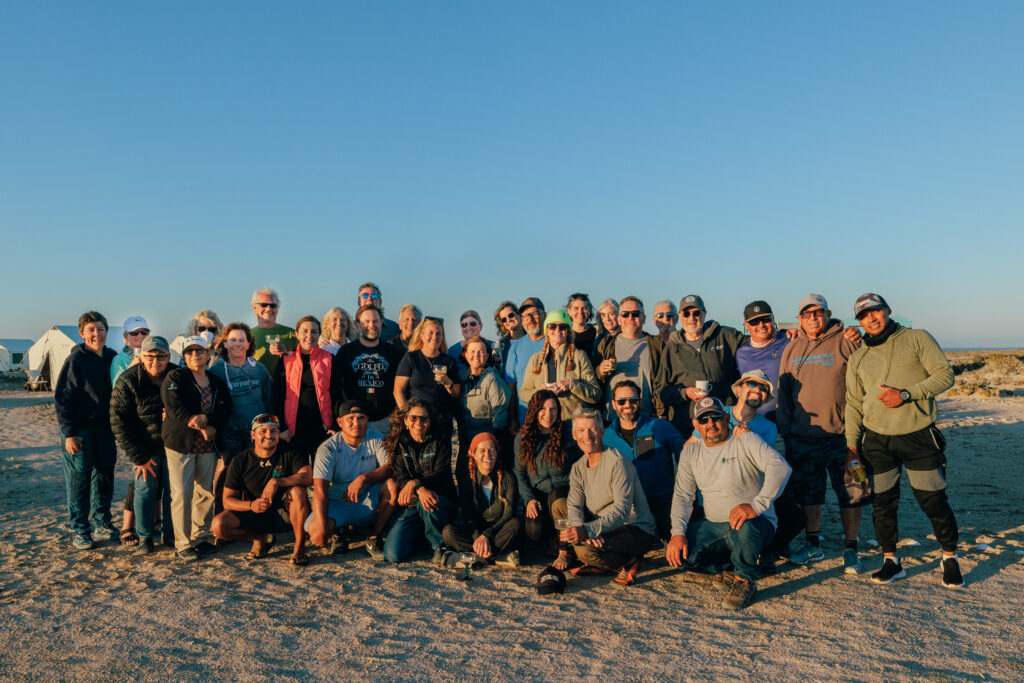
From March 10–14, 2026, a small group of Crystal Cove Conservancy supporters and staff traveled with our partner Baja Discovery to one of the most extraordinary places left on the Pacific Coast: Laguna San Ignacio, a UNESCO-designated sanctuary and the last largely undisturbed calving ground for Pacific gray whales. From Punta Piedra camp, we spent five days watching, listening, and learning.
In the oral traditions of the Cochimi people of Baja California, Kuyimá is the spirit of the Great Gray Whale. Fishermen historically viewed this spirit as a beacon of light in the darkness. And in a way only this lagoon makes possible, we felt that spirit in every whale encounter we had.
5
Days in the field at Laguna San Ignacio
6
Panga whale-watch excursions over the trip
100%
Of proceeds support mission and programs
Trip Highlights
Friendly Encounters
A small subset of gray whales in this lagoon are known to approach boats willingly, offering our group a truly magical experience.
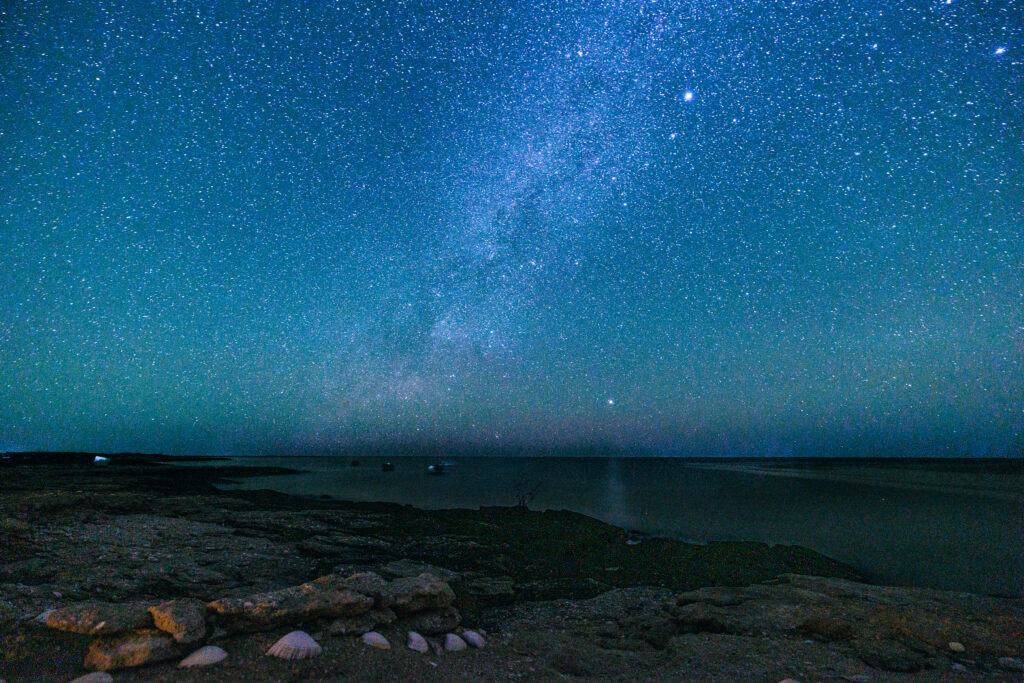
Vast Starry skies
No digital distractions. No light pollution. Just the Milky Way and whale exhalations in the distance every night.
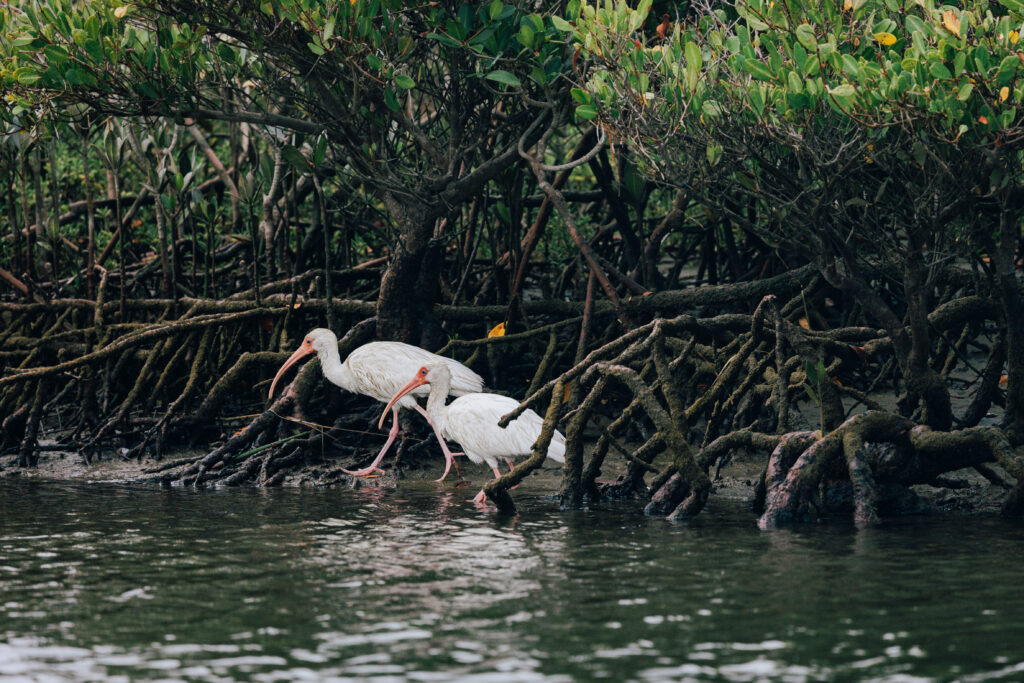
Mangrove kayaking
We threaded through mangrove channels, where American White Ibises and Reddish Egrets showcased the living classroom of our ecosystems.
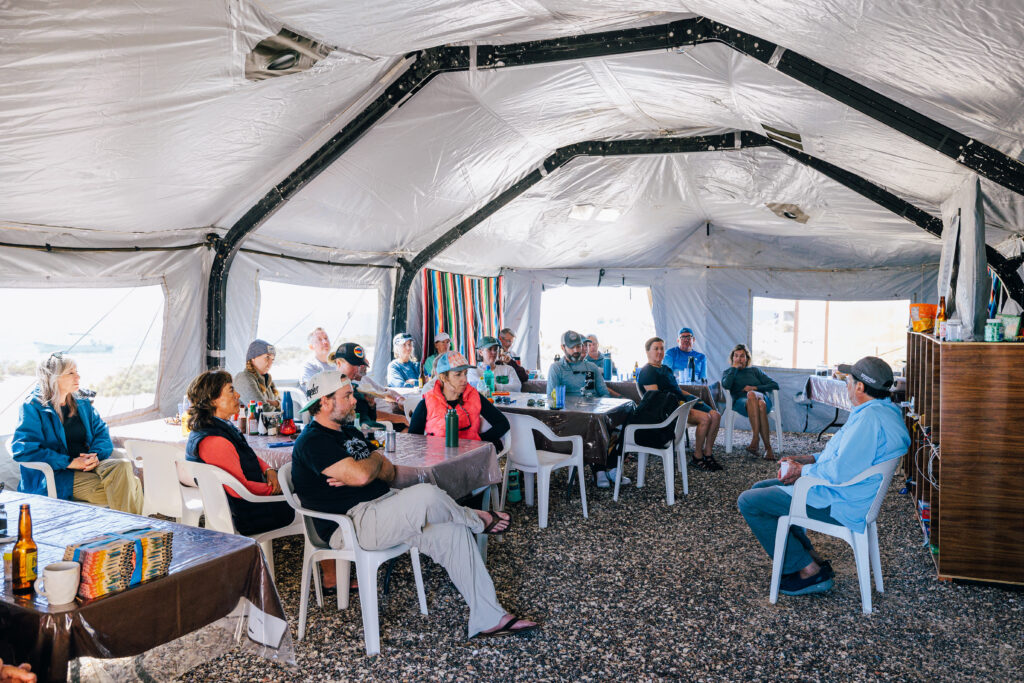
Conservation conversations
Marine biologists and local Baja Discovery guides brought context to the community-driven ecotourism model protecting this lagoon.
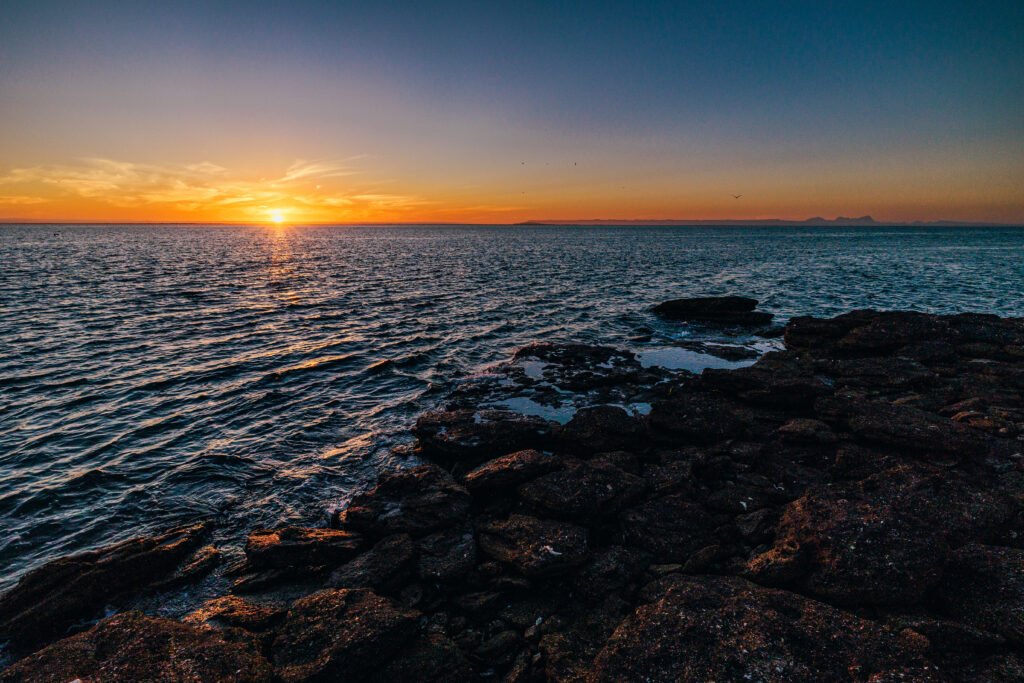
Tidepool & beach walks
Miles of undisturbed coastline reminded us what our stretch of the Orange Coast can aspire to be when people care enough to protect it.
Forged Community
Twenty strangers flew south. Twenty people who now carry the same memory came home. That’s the Stewardship Cycle in action: encounter, connection, commitment.
Why It Matters
Crystal Cove Conservancy exists to turn encounters with the coast into commitments to protect it. This expedition is that mission in its most distilled form. The gray whale’s journey mirrors our own: collective, humble, and dependent on places that remain intact because people chose to defend them.
This annual trip is a reminder that the tidepools at Crystal Cove State Park and the lagoons at San Ignacio are part of the same story. The coast doesn’t feel like a backdrop anymore when you leave Baja. It feels like yours to care for.
Watch the Recap Video
Cove Talk with Steven Swartz: 50 Years with the Gray Whales of Baja California
Join us on Wednesday, October 14, 2026 for a rare opportunity to hear from one of the world’s foremost voices in gray whale conservation!
We are hosting Steven Swartz, one of the founders of the “Gray Whale Research in Mexico” program. Drawing on more than four decades of fieldwork, Steven will share firsthand stories from the lagoons of Baja California, insights into the ongoing Unusual Mortality Event, and reasons for both concern and hope as we look toward the future of this iconic species.
We use cookies to ensure that we give you the best experience on our website. If you continue to use this site we will assume that you are happy with it.